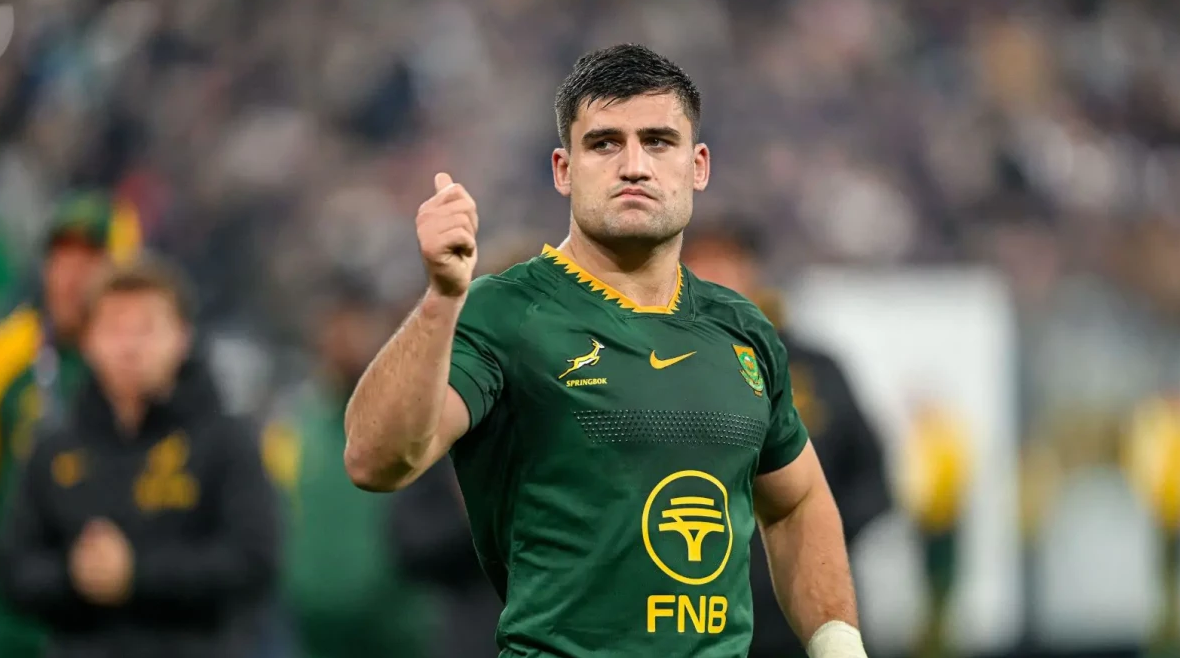
The Springboks have had their feathers ruffled, their pride bruised and their winning machine knocked out of gear, but young loose forward Paul de Villiersinsists the world champions are not about to throw in the towel.
After two successive defeats against France (21-19) and Ireland (20-17), the Bokke have a point to prove when they return to Twickenham on Sunday for theinaugural Nations Championshipfinal.
And what better way to silence the critics than by putting another trophy in the cabinet?
South Africa’s narrow Dublin defeat followed their Paris disappointment, leaving Rassie Erasmus’ troops with plenty of uncomfortable questions to answer. The scoreboard has not been kind, and the Boks know their performances have fallen short of their own lofty standards.
De Villiers, however, believes there is still plenty of fight left in the green-and-gold tank.
“Losing [to Ireland] was tough for us because we really wanted to do it for South Africa and play better than we did last week,” the 23-year-old eight-cap flanker said after Saturday’s 20-17 defeat at the Aviva Stadium.
“But, it is positive for us to get that opportunity again to make it right and play for a cup.
“I’d say we’ll definitely look into this game and see what we can do better because I felt we were way off …”
There is no sugar-coating the shortcomings. While the Springbok scrum gave Ireland a serious headache and provided some much-needed ammunition, the champions struggled to turn territorial pressure into points.
In rugby, territory without points is like a braai without meat: plenty of smoke, but very little satisfaction.
“[The scrum] is a weapon for us. We got a few penalties and it got us out of our half at the end,” De Villiers said.
“It was generally a good performance, but our standards are way above that.
“I know we struggled to exit our own half and we also struggled to contribute our 22m entries into points. After a good review, we’ll have a better idea of where we can be better.”
The Boks will need sharper execution, smarter decisions and a killer instinct inside the opposition 22 if they hope to get their hands on the new championship silverware.
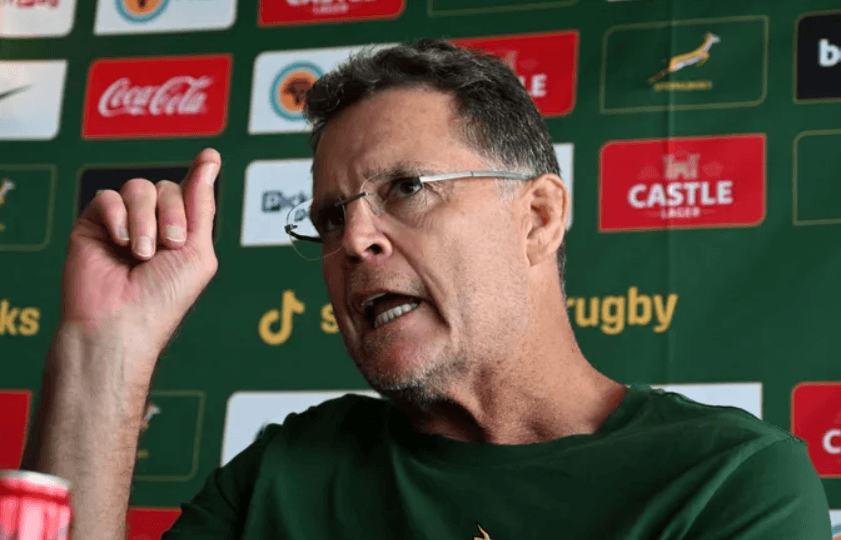
The build-up to the Dublin showdown was also dominated by Erasmus’ six-match suspension imposed by World Rugby following the Paris defeat. His absence has added another complication to South Africa’s end-of-season campaign.
Springboks know what they have to fix before Nations Championship Final https://t.co/YN9LP0K5IW
The Springbokswill arrive at the Aviva Stadium on Saturday with their Nations Championship ambitions hanging by a thread, a point to prove against Irelandand their head coach Rassie Erasmus who will be watching from afar.
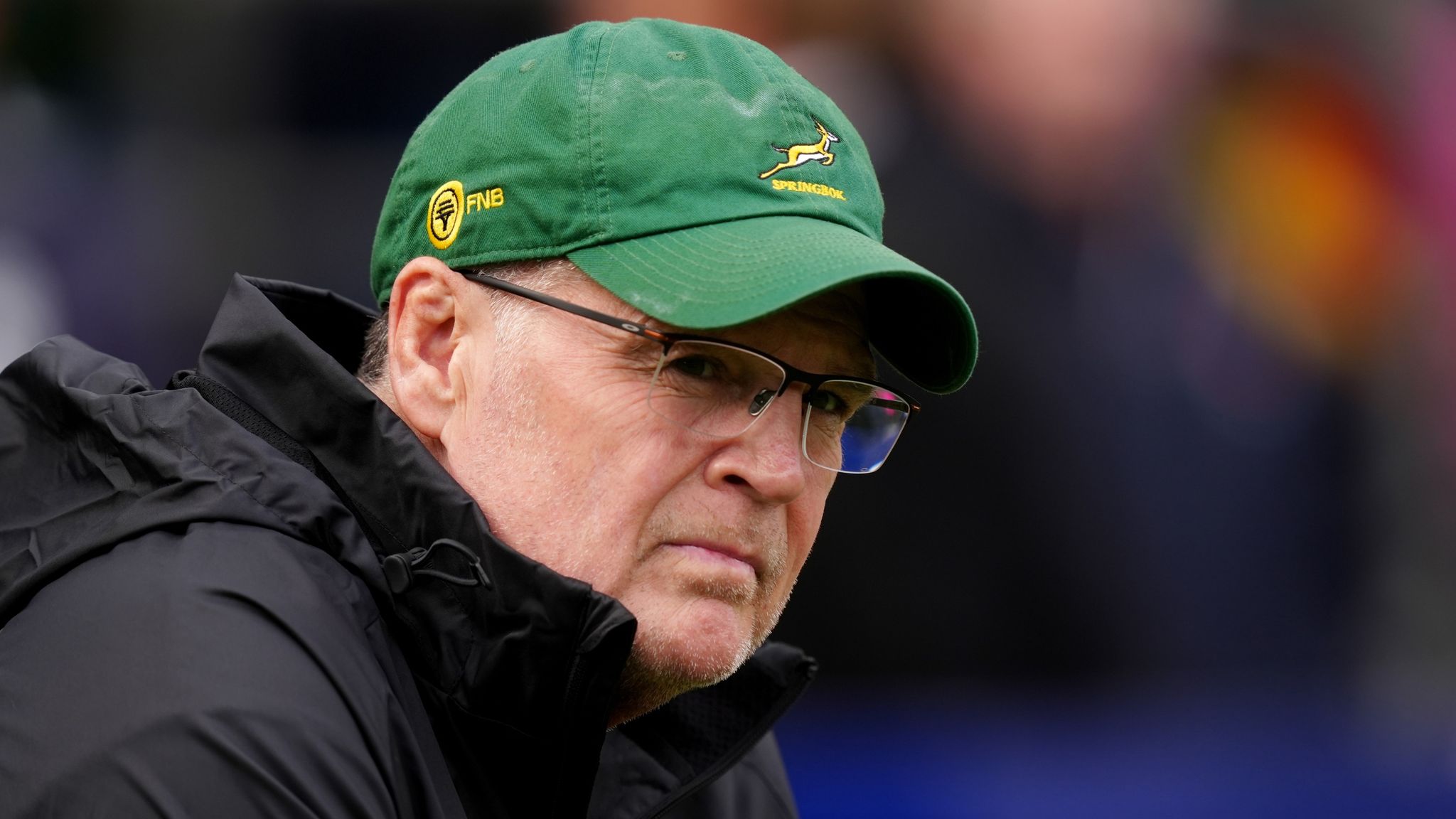
Mzwandile Stickhas urged the world champions to remain united as they prepare for a demanding Test without Rassie Erasmus, who is serving a six-match suspension that rules him out of all matchday involvement.
The Springbok assistant coach will share responsibility with the rest of the coaching team, insisting Erasmus’s absence will have no bearing on their performance.
“We are all going to be in charge. We have a strong coaching team. We all trust and believe in each other,” Stick told reporters in Dublin on Friday.
“Rassie might not be in that coaching box, but he’s with us; we know one thing for sure: his energy will be there.
“Whatever we’ll be doing tomorrow, we’ll be doing it for him. No one is going to break us.”
Erasmus has attracted considerable attention this week following his comments at Monday’s team announcement press conference. His suspension has added another layer of intrigue, with the Springbok coach planning an online watch party for Saturday’s encounter.
"No one is going to break us." Mzwandile Stick has thrown down the gauntlet ahead of the @Springboks' Dublin showdown with @irelandrugby. No @RassieRugby on matchday. No room for mistakes. Championship ambitions on the line. Can the Boks conquer the Aviva #SAvsIRE…
Asked where Erasmus would be watching, Stick responded: “Are you invited to the party?”
He suggested the gathering could take place at the team hotel before reaffirming the squad’s commitment.
“We love and appreciate him, and no one is to break us. I can tell you that for sure. We will make sure that we pitch up for our people back home in South Africa.”
Championship stakes raise the temperature
Saturday’s encounter carries significant consequences for both teams.
Ireland are third in the Northern Hemisphere standings behind England and France. A bonus-point victory could move Andy Farrell’s team to the top, depending on other results.
The Springboks are chasing the Southern Hemisphere summit after last weekend’s defeat to France.
Wales’ surprise victory over New Zealand has kept South Africa’s hopes alive, although their fate also depends on England’s meeting with the All Blacks.
A bonus-point New Zealand victory would end the Springboks’ championship ambitions. An All Blacks win without a bonus point would leave South Africa needing a maximum five-point haul against Ireland to overtake them.
There is little room for error.
Ireland’s technical challenge
Erasmus believes Ireland’s familiarity with South African rugby makes them particularly dangerous opponents.
Their regular encounters with local franchises in the United Rugby Championship have given them a detailed understanding of the Springboks’ strengths and weaknesses.
He also dismissed suggestions that Ireland’s recent match against Fiji would have provided meaningful preparation for facing South Africa.
Erasmus identified Ireland’s technical proficiency at the breakdown, scrum and maul as key areas of concern.
“I just love how every player knows their role for seven or eight phases, and that’s not something that’s very South African.
“That’s something totally different in the technical ways they outsmart you in maul-stopping, nullifying a scrum or swinging around the breakdown.”
Ireland’s scrum will be under particular scrutiny after being thoroughly outplayed by the Springboks in last year’s corresponding fixture.
Farrell admitted the defeat has shaped his team’s preparations over the past year.
“The focus on getting our scrums right has been since last year’s match against South Africa, not just this week,” he said.
He acknowledged that Saturday would provide another major examination against a Springbok pack he considers world-leading.
The return of experienced prop Tadhg Furlong will also strengthen Ireland’s forward resources.
Sheehan provides tactical intrigue
Farrell has made an interesting selection decision by naming regular hooker and captain Dan Sheehan at No 8.
Ireland have four injuries in that position, prompting Farrell to utilise Sheehan’s versatility and accommodate Ronan Kelleher at hooker.
The Ireland coach highlighted Sheehan’s contribution around the field, particularly his ball-carrying, defensive work and running lines.
Meanwhile, Farrell is unfazed by the possibility of late Springbok team changes, having seen Erasmus make adjustments close to kick-off in previous matches.
“We know who is in their touring squad and what could happen prior to kick-off and all of that, so we’ll be ready for that.”
Players to watch
For Ireland, the halfback combination of Jamison Gibson-Park and Sam Prendergast will be central to their attacking ambitions.
Sheehan’s adaptation to the back row will also attract attention, while Ireland’s front row faces a significant test after last year’s scrum struggles.
For South Africa, Damian Willemse, Kurt-Lee Arendse and Ethan Hooker will be eager to improve their work under the high ball following last weekend’s defeat to France.
Sacha Feinberg-Mngomezulu will need to provide attacking direction and composure, while Cameron Hanekom has an opportunity to make a significant impact in a rare starting assignment.
The Springbok forwards will also need to establish early authority at scrum time and the breakdown.
Boks need a response
The Springboks know the challenge awaiting them in Dublin. Ireland’s physicality, tactical discipline and familiarity with South African rugby make them formidable opponents.
Stick has made it clear that Erasmus’s suspension will not fracture the squad’s unity. The responsibility now rests with the players and coaching team to deliver on the field.
With their Nations Championship hopes on the line, the world champions need a response worthy of their status.
Dublin is demanding. The stakes are enormous. The Springboks have little margin for error.
Ireland: 15 Hugo Keenan, 14 Robert Baloucoune, 13 Robbie Henshaw, 12 Stuart McCloskey, 11 Mack Hansen, 10 Sam Prendergast, 9 Jamison Gibson-Park, 8 Dan Sheehan (captain), 7 Josh van der Flier, 6 Ryan Baird, 5 Tadhg Beirne, 4 Joe McCarthy, 3 Tadhg Furlong, 2 Rónan Kelleher, 1 Andrew Porter.
Reserves: 16 Tom Stewart, 17 Tom O’Toole, 18 Sam Illo, 19 James Ryan, 20 Nick Timoney, 21 Craig Casey, 22 Ciarán Frawley, 23 Bundee Aki.
South Africa: 15 Damian Willemse, 14 Kurt-Lee Arendse, 13 Jesse Kriel, 12 Damian de Allende, 11 Ethan Hooker, 10 Sacha Feinberg-Mngomezulu, 9 Morne van den Berg, 8 Cameron Hanekom, 7 Pieter-Steph du Toit, 6 Siya Kolisi (captain), 5 Franco Mostert, 4 Eben Eztebeth, 3 Wilco Louw, 2 Malcolm Marx, 1 Ox Nche.
Reserves: 16 Jan-Hendrik Wessels, 17 Gerhard Steenekamp, 18 Thomas du Toit, 19 Lood de Jager, 20 Paul de Villiers, 21 Marco van Staden, 22 Grant Williams, 23 Canan Moodie.
The Springboks’ quest for an unprecedented third consecutive Rugby World Cup title in Australia in 2027 could suffer a significant setback after head coach Rassie Erasmus was handed a six-match suspension by World Rugby.
The Springboks’ bid to make rugby history in Australia in 2027 has encountered a major obstacle, with Rassie Erasmus facing the prospect of missing six crucial Tests during the build-up to their Rugby World Cup title defence.
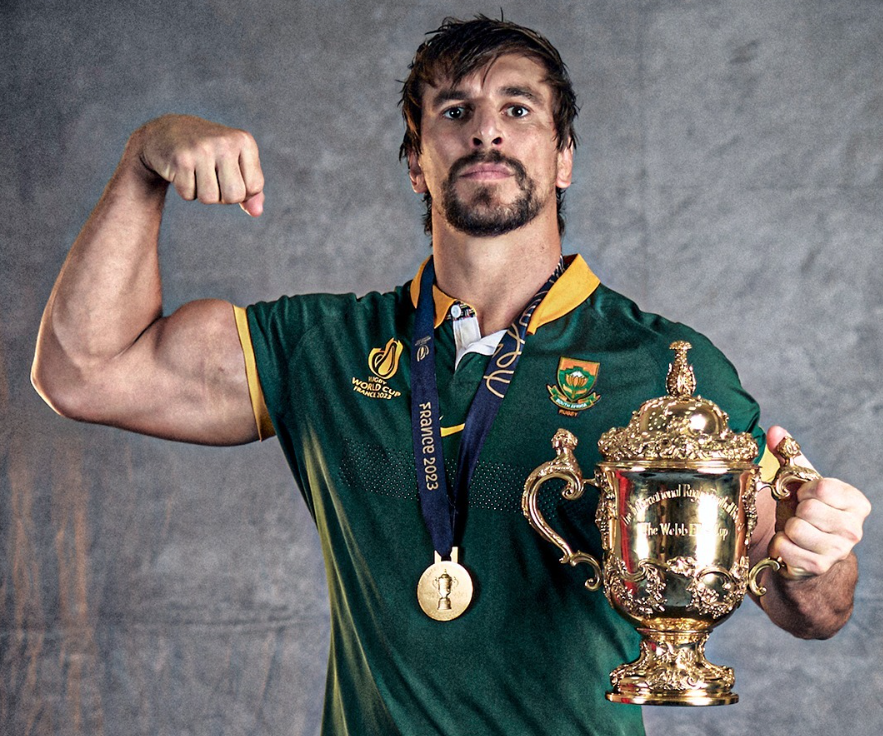
South Africa are chasing an unprecedented third consecutive World Cup crown after lifting the Webb Ellis Cup in Japan in 2019 and successfully defending their title in France in 2023.
However, World Rugby’s decision to suspend Erasmus for six international matches could disrupt the Springboks’ preparations, particularly with four high-profile Tests against New Zealand and Argentina potentially falling within the ban.
The suspension follows comments Erasmus made about match officials at a press conference in Dublin on Monday, ahead of South Africa’s Nations Championshipencounter against Ireland.
The outspoken Springbok coach questioned the officiating during his team’s recent match against France in Paris, expressing frustration over several incidents involving knee-drop tackles.
Can sit and moan or make the best of it. I’ll be watching the match at the hotel. Not keen to watch in on my own. So lets give it a go and hope I get the “tech” sorted = TV on, My Laptop camera on, and you’re welcome to join me. Sign up here (adults 18+): https://t.co/PXrmKbKc00.… pic.twitter.com/QUZRsWmCLV
Erasmus claimed there were 17 such incidents, 11 of which he believed warranted penalties, while three deserved yellow cards.
He also questioned whether offences that were seen but not penalised were influencing the outcome, going as far as using the term “match-fixing”.
An independent panel imposed the six-match suspension under World Rugby’s Match Official Abuse Sanction Process.
SA Rugby has challenged the sanction, requesting a full misconduct hearing to allow Erasmus to explain his comments about match officials.
Stick expected to take charge
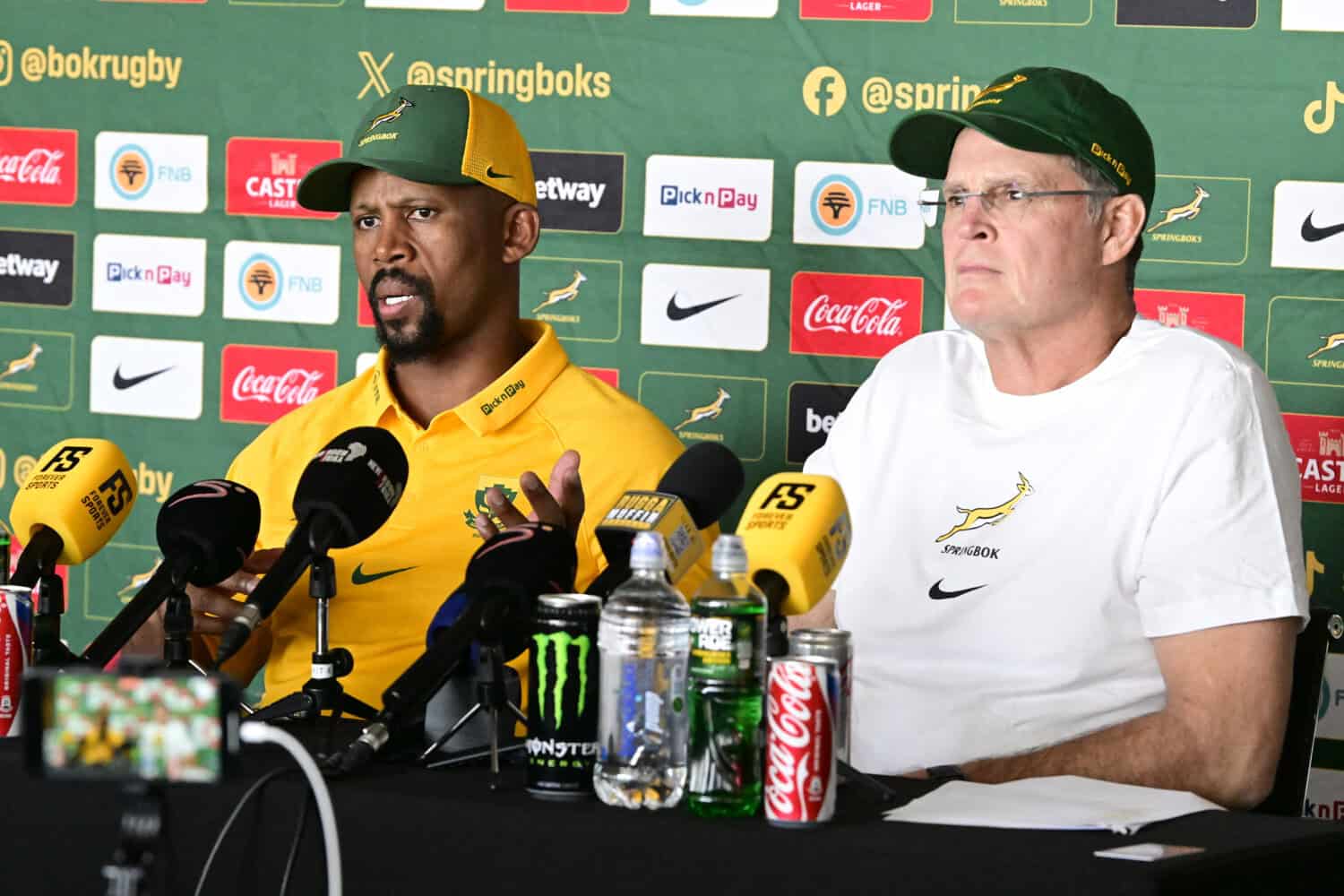
Rassie Erasmus (coach) and Mzwandile Stick (assistant coach) of the Springboks. (Photo by Sydney Seshibedi/Gallo Images)
Erasmus will miss Saturday’s Nations Championship pool match against Ireland at Aviva Stadium.
Senior assistant coach Mzwandile Stick is expected to assume responsibility for the Springboks’ match-day operations, although Erasmus is likely to remain in communication with the coaching team, subject to the conditions of his suspension.
Stick has considerable experience within the Springbok setup, but the absence of the head coach at Aviva Stadium represents a significant blow for South Africa.
Erasmus’s influence extends beyond team selection. His tactical planning, ability to read matches and match-day interventions have been central to the Springboks’ success.
Should SA Rugby fail to overturn the suspension, Erasmus will also miss the Nations Championship finals weekend at Twickenham at the end of November.
Four crucial Tests in 2027
The biggest implications could emerge next year when the Springboks face New Zealand and Argentina in a demanding international programme.
Erasmus is potentially set to miss both Tests against the All Blacks in July.
The first takes place at Eden Park in Auckland on 10 July, where South Africa lost 24-17 last year. The teams will meet again a week later at One NZ Stadium in Christchurch.
The Springboks will subsequently face Argentina twice, with the first Test scheduled for the end of July and the second in August, although the latter date has yet to be confirmed.
These four encounters will provide important opportunities to assess combinations, tactical execution and squad depth ahead of the World Cup.
Losing Erasmus during that period would leave the Springboks without the head coach who has overseen their successful campaigns in 2019 and 2023.
South Africa have an experienced coaching structure, with Stick and the other senior assistants capable of maintaining continuity. Erasmus is also expected to return after the Argentina series, ahead of the final preparations for Australia.
Erasmus’ disciplinary history
This is not the first time Erasmus has faced disciplinary action from World Rugby.
In 2021, while serving as SA Rugby’s Director of Rugby, he was suspended following the release of a video in which he criticised Australian referee Nic Berry after the Springboks’ first-Test defeat against the British and Irish Lions.
South Africa subsequently won the series 2-1.
Erasmus received a two-month suspension from all rugby activities and was barred from match-day activities until 30 September 2022.
In November 2022, he received another two-match suspension after criticising match officials on social media following South Africa’s defeat against France during the Autumn internationals.
The ban ruled him out of the Springboks’ Tests against Italy and England.
On both previous occasions, Jacques Nienaber was the Springbok head coach while Erasmus served as Director of Rugby.
The latest suspension therefore presents a different challenge, with Erasmus now occupying the head coaching position.
For South Africa, the stakes extend beyond the disciplinary process.
The Springboks are attempting to achieve something no men’s team has accomplished: winning three consecutive Rugby World Cup titles.
Erasmus’s potential absence during six international matches could complicate that mission, particularly with the All Blacks and Argentina Tests forming an important part of the team’s preparation.
The Springboks have the personnel and coaching experience to remain competitive, but losing their head coach during such an important phase of the World Cup cycle is a significant concern.
Japan 2019. France 2023. Australia 2027.
The Springboks are chasing another piece of rugby history, and SA Rugby will be hoping its challenge ensures Erasmus is available to help lead that campaign.
Etzebeth will earn his 148th Test cap, extending his record as South Africa’s most-capped player, when he partners Ruan Nortje in the second row.
Cameron Hanekom also returns to the starting line-up, joining captain Siya Kolisi and Pieter-Steph du Toit in the loose trio.
The front row has been reshuffled, with Ox Nche, Malcolm Marx and Wilco Louw replacing their counterparts from the France encounter.
Erasmus has retained the same backline, with Morne van den Berg and Sacha Feinberg-Mngomezulu at halfback, Jesse Kriel and Damian de Allende in midfield, and Ethan Hooker, Kurt-Lee Arendse and Damian Willemse completing the back three.
There are seven changes among the replacements, where Jan-Hendrik Wessels, Gerhard Steenekamp, Thomas du Toit, Lood de Jager, Paul de Villiers, Marco van Staden, Grant Williams and Canan Moodie have been selected.
Williams replaces Cobus Reinach, while Moodie takes the place of Manie Libbok.
Erasmus said the selection was aimed at balancing consistency, player management and rewarding those who had impressed in training.
“This is a massive match for us and we know the magnitude of facing Ireland in Dublin, so we felt it was important to strike a balance between consistency in selection, while managing some players and giving others who have been training hard and putting up their hands a chance in what will be a challenging encounter,” he said.
Etzebeth’s return brings considerable experience and physical authority to a forward pack that will need to front up against Ireland’s powerful set-piece and aggressive carrying game.
The Bok coach also acknowledged the team’s shortcomings against France, insisting that the squad had taken responsibility for the performance.
“We let ourselves and the country down, and we are determined to fix the mistakes that cost us, so we’ll leave no stone unturned to ensure that we play according to our standards this weekend.”
Ireland will provide a stern examination. They remain in contention for a place in the Nations Championship final, alongside England and France, while South Africa are competing with New Zealand for the top position in the southern hemisphere standings.
Erasmus expects an 80-minute performance of high accuracy.
“They are a quality team, who always give everything against us, so it’s going to take an accurate 80-minute performance if we want to get the result against them,” he said.
@EbenEtzebeth is back! 💪@RassieRugby has named five changes to the @Springboks starting XV for Saturday's Dublin showdown against Ireland. The legendary lock will extend his record to 148 Test caps as the Boks prepare for another bruising battle. Can South Africa deliver?… pic.twitter.com/ZQbU9r0CBO
The Springboks have won 20 of their 31 Tests against Ireland, losing 10 and drawing one. They secured a memorable 24-13 victory in Dublin last year, ending a 13-year wait for a win on Irish soil.
There are also significant individual milestones approaching. Jesse Kriel and Malcolm Marx both have 96 Test caps and are three appearances away from joining the exclusive group of Springbok centurions after Saturday’s match.
The starting XV boasts 934 Test caps, including 583 among the forwards and 351 in the backline. The replacements contribute another 264 caps.
The Boks have the experience and firepower to challenge Ireland. Their biggest assignment will be ensuring that their execution matches their reputation.
The match kicks off at 18:40 (SA time) on Saturday and will be broadcast live on SuperSport.
SPRINGBOKS – 15 Damian Willemse, 14 Kurt-Lee Arendse, 13 Jesse Kriel, 12 Damian de Allende, 11 Ethan Hooker, 10 Sacha Feinberg-Mngomezulu, 9 Morné van den Berg, 8 Cameron Hanekom, 7 Pieter-Steph du Toit, 6 Siya Kolisi (c), 5 Ruan Nortjé, 4 Eben Etzebeth, 3 Wilco Louw, 2 Malcolm Marx, 1 Ox Nché. Bench: 16 Jan-Hendrik Wessels, 17 Gerhard Steenekamp, 18 Thomas du Toit, 19 Lood de Jager, 20 Paul de Villiers, 21 Marco van Staden, 22 Grant Williams, 23 Canan Moodie.
Hacjivah Dayimani is making a compelling case for greater recognition after back-to-back Man of the Match performances for the Stormers.
The loose forward scored twice in the 39-22 URC derby victory over the Sharks, showcasing his growing physicality, leadership and versatility.
With 43,000 supporters roaring beneath the shadow of Table Mountain, the 28-year-old diamond in the Stormers’ pack glittered brighter than the opposition’s star-studded Springboks as the hosts revived their famous Men in Black swagger.
The Sharks arrived unbeaten and loaded with heavyweight international firepower. They left nursing a bruising defeat, their coastal rivals having turned the scrum into a Cape Town battering ram.
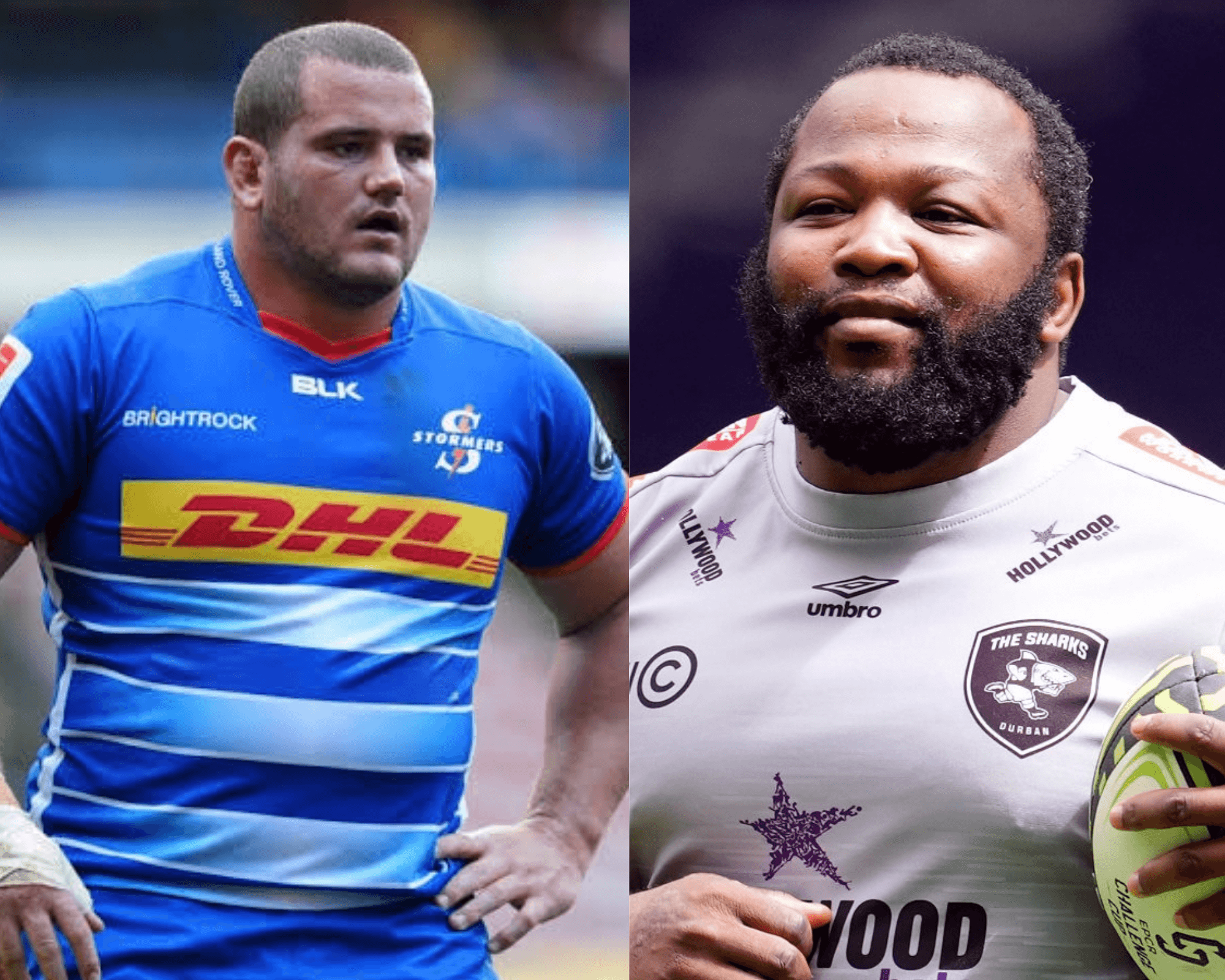
While the return of several Springboks dominated the pre-match chatter, it was the Stormers’ collective muscle that stole the show. Wilco Louw, André-Hugo Venter and Ntuthuko Mchunu gave Thomas du Toit, Eduan Swart and Ox Nche a torrid afternoon in the front row.
Behind that demolition crew, Dayimani, Siya Kolisi and Paul de Villiers hunted at the breakdown like hungry predators.
Dayimani supplied the glitter.
He powered over from a maul in the 36th minute before crossing again after the interval, helping the Stormers build a commanding advantage and ultimately secure a bonus-point victory. Seabelo Senatla, Venter, Leolin Zas and JJ Kotzé also crossed the whitewash as the hosts avenged last season’s back-to-back derby defeats.
For Stormers director of rugby John Dobson, Dayimani’s growing influence has become impossible to overlook.
“We have a players’ Man of the Match, which always differs from what SuperSport comes up with. In the first two games, Hacjivah was a convincing winner,” Dobson said.
The coach believes the forward has added precious steel to his trademark sparkle.
“What’s changed about Hacjivah is his stopping power; I don’t know whether it’s because he’s decided what the gym is or because he’s got more determined.”
Dobson also praised Dayimani’s leadership, revealing that he has taken charge during training sessions involving the Currie Cup players.
That is music to the ears of Springbok coach Rassie Erasmus, who values players capable of covering multiple positions.
Dayimani has started three consecutive matches at No 8, can operate across the back row and has even played on the wing, including against the All Blacks. His experience with French club Racing 92 also adds versatility to his rugby résumé.
“He’s metamorphosised,” Dobson said.
“At 28 years old and when you talk about hybrids, a guy who can run 10.80 and has stopping power has got to be in anybody’s [selection] frame eventually.”
There is, however, a catch in this tale of glittering ambition.
Dobson insists Dayimani must maintain his current standards over an entire season, acknowledging that previous flashes of brilliance have not always developed into sustained excellence.
“He’s had flashes of brilliance. He needs to build a proper innings. He’s just at the start of it. If he carries on like this, I’ve got no doubt about it.”
Those words should ring in Dayimani’s ears louder than Saturday’s thunderous applause.
The Stormers star has the speed, the flair and, increasingly, the muscle to make a compelling case. His challenge is to turn dazzling cameos into a season-long exhibition of consistency.
The Springbok jersey remains the prize, and competition for places is fierce. Yet another performance of this calibre will make it harder for the selectors to ignore the diamond shining in black.
Dayimani has struck gold in the opening rounds. Now he must keep mining his rich vein of form.
The sparkle is undeniable. The real test is whether this diamond can shine long enough to earn its green-and-gold setting.
South African rugby is rolling out the heavy artillery on Saturday, with 38 Springboks spread across twoUnited Rugby Championshipderbies promising a feast of collisions, bruising set pieces and simmering provincial pride.
The Stormershost the Sharks at DHL Stadium Cape Town, while the Bulls welcome the Lions to Loftus Versfeld for the latest chapter in the Jukskei rivalry. With 24 Springboks involved in the coastal showdown and another 14 at Loftus, the domestic stage will resemble a Test-match shop window with provincial colours.
The scene is set for the strongest exhibition of South Africa’s locally based Test quality this season.
The Cape derby carries extra theatre. The Stormers revive their famous Men in Black jersey, welcome 50 former players and their families, and celebrate Siya Kolisi’s return to familiar territory.
Coastal rivalry.@Springboks firepower. Forward warfare. @THESTORMERS vs @SharksRugby at DHL Stadium promises 80 minutes of fast, physical and relentless rugby.Sharks chasing a hat-trick. Stormers unleashing 11 Boks. Cape Town, buckle up.#StormersSharks#URC#Rugby Read…
Sentiment will fill the stands, but the scoreboard will demand hard currency.
Kolisi’s presence adds leadership and emotional weight to a Stormers side featuring 11 Springboks in its match-day squad. Wilco Louw returns to the Cape franchise for the first time since 2020, setting up a heavyweight scrum engagement with Sharks prop Ox Nché.
Their duel deserves a prize-fight billing. One dominant shove, one mistimed bind or one costly penalty could swing territory, momentum and the match. In the front row, reputations are built one brutal reset at a time.
The Sharks arrive with a dangerous memory: their 30-19 victory in Cape Town on 24 January and two wins over the Stormers last season. JP Pietersen’s side knows the coastal road can be travelled successfully, making the derby a stern examination of John Dobson’s returning Springbok contingent.
The news you have been waiting for 📰
The Hollywoodbets Sharks are locked in for Saturday’s coastal derby against the DHL Stormers in Cape Town 🦈⛈️
Andre Esterhuizen captains the side as the Sharks go in search of a third straight @Vodacom#URC win.
Dobson has selected his strongest available team, while the Sharks bring their own international firepower, including Nché and Eben Etzebeth. The aerial contest and forward exchanges could turn DHL Stadium into a pressure cooker where every loose ball carries the threat of an explosive counterattack.
The Jukskei derby brings its own combustible ingredients. The Bulls and Lions have contrasting provincial identities and plenty of incentive to seize bragging rights in Pretoria. Last season, the Lions won at Loftus, while the Bulls triumphed at Ellis Park, proof that familiar surroundings offer no guaranteed shelter.
Beyond the established Springboks, both derbies give members of South Africa’s successful Under-20 teams a valuable measuring stick against players who have conquered the international arena. For Rassie Erasmus and his coaching staff, the evidence will be found in the details: decision-making under pressure, physical resilience, tactical discipline and the ability to deliver when the contest tightens.
The next generation will have to earn every centimetre. Reputation might open the door, but performance determines who owns the jersey.
𝗙𝗿𝗼𝗺 𝗚𝗿𝗲𝗲𝗻 & 𝗚𝗼𝗹𝗱 𝗯𝗮𝗰𝗸 𝘁𝗼 𝗧𝗿𝘂𝗲 𝗕𝗹𝘂𝗲.
Our Springboks are back and ready for derby weekend at Loftus.
Saturday’s double bill is a celebration of local rugby’s depth and a reminder that provincial loyalty remains a powerful force. The Stormers want their black strip to become a symbol of renewed authority; the Sharks will arrive eager to spoil the homecoming. At Loftus, the Bulls and Lions will fight for control of a rivalry that rarely travels quietly.
Thirty-eight Springboks provide the star power. Two derbies supply the combustible atmosphere. The rest is up to the players, the pressure and the occasional referee’s whistle that will send an entire stadium into a philosophical debate.
South African rugby has cleared the stage. Now the derbies must deliver the fireworks.
JUKSKEI DERBY
Loftus Versfeld, Pretoria – Kick-off: 13.30
Teams:
Bulls: 15 Willie le Roux, 14 Canan Moodie, 13 Stedman Gans, 12 Harold Vorster, 11 Sebastian de Klerk, 10 Curwin Bosch, 9 Paul de Wet, 8 Cameron Hanekom, 7 Hanro Liebenberg (captain), 6 Jeandre Rudolph, 5 JF van Heerden, 4 Ruan Vermaak, 3 Francois Klopper, 2 Johan Grobbelaar, 1 Gerhard Steenekamp Replacements: 16 Marco van Staden, 17 Alu Tshakweni, 18 Khutha Mchunu, 19 Cobus Wiese, 20 Elrigh Louw, 21 Keagan Johannes, 22 Handre Pollard, 23 Cheswill Jooste
Lions: 15 Quan Horn, 14 Kelly Mpeku, 13 Ethan Adams, 12 Henco van Wyk, 11 Richard Kriel, 10 Chris Smith, 9 Morne van den Berg, 8 Francke Horne (captain), 7 Siba Qoma, 6 JC Pretorius, 5 Hyron Andrews, 4 Dylan Sjoblom, 3 Sebastian Lombard, 2 PJ Botha, 1 Boan Venter Replacements: 16 Morne Brandon, 17 SJ Kotze, 18 RF Schoeman, 19 JP du Preez, 20 Batho Hlekani, 21 Siba Mahashe, 22 Nico Steyn, 23 Boeta Chamberlain.
Referee: Hanru van Rooyen (South Africa) Assistant referees: Christopher Allison (South Africa), Jonathan Lottering (South Africa) TMO: Aimee Barrett-Theron (South Africa)
Sharks: 15 Zekhethelo Siyaya, 14 Edwill van der Merwe, 13 Jurenzo Julius, 12 Andre Esterhuizen (captain), 11 Ethan Hooker, 10 Vusi Moyo, 9 Jaden Hendrikse, 8 Phepsi Buthelezi,7 Manu Tshituka, 6 Matt Romao, 5 Darrien Landsberg, 4 Eben Etzebeth, 3 Thomas du Toit, 2 Eduan Swart,1 Ox Nche Replacements: 16 Esethu Mnebelele, 17 Cameron Dawson, 18 Vincent Koch, 19 Jason Jenkins, 20 Stephan Lewies, 21 Nick Hatton, 22 Ivan van Zyl, 23 Gianni Lombard
Referee: Morné Ferreira (South Africa) Assistant referees: Griffin Colby (South Africa), Stephan Geldenhuys (South Africa) TMO: Quinton Immelman (South Africa)
Rassie ready to unleash World Player of the Year in new role against Wallabies
Rassie Erasmus is cooking up another Springbok surprise, and this one could see the World Player of the Year, Malcolm Marx, packing down far from his usual hunting ground.
Erasmus continues to redefine squad management, introducing 13 changes for the Test against Australia while building leadership depth through Andre Esterhuizen’s appointment as captain.
Andre Esterhuizen will officially become the 68th @Springboks captain in history when he leads the team onto the park at the Optus Stadium. pic.twitter.com/bLj9hUktGk
Malcolm Marxhas been named among the replacements for Sunday’s showdown with Australia in Perth, but Erasmus has revealed the wrecking-ball hooker could be unleashed at flank when he storms onto the field.
Yes, flank.
The revelation adds serious spice to an already radically reshuffled Bok pack as Erasmus attempts to keep his warriors fresh while building the depth he believes will be crucial at the next World Cup.
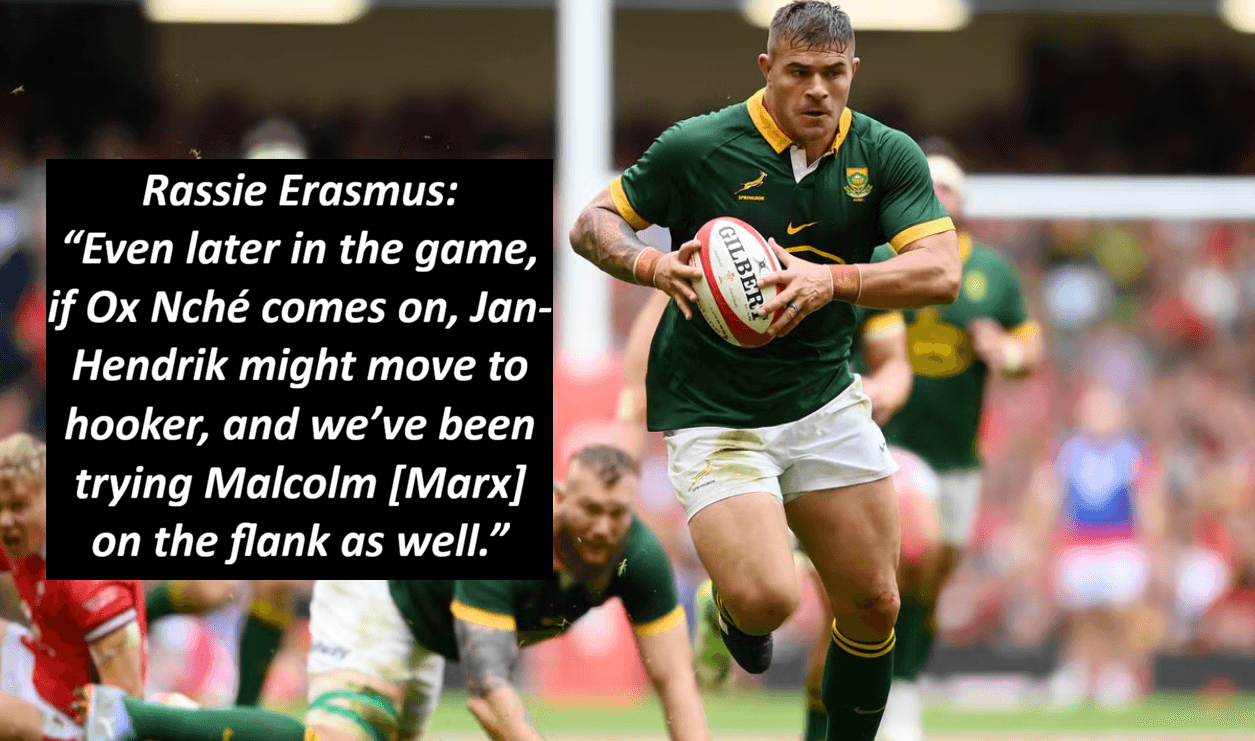
“Even later in the game, if Ox Nché comes on, Jan-Hendrik might move to hooker, and we’ve been trying Malcolm on the flank as well,” Erasmus said.
That means Marx could swap the No 2 jersey for the loose-forward trenches, where his ferocious carrying, physicality and breakdown work could give the Wallabies another headache.
And if that sounds like classic Rassie rugby roulette, it is.
The Boks have also thrown another curveball at No 8, with Marco van Staden packing down at the back of the scrum alongside Elrigh Louw and Paul de Villiers.
But Erasmus made it clear that Van Staden’s biggest assignment is not wearing the traditional No 8 hat.
“There’s not a specific role for the eighthman apart from scrumming,” the Bok boss said.
The real battlefield will be the breakdown.
“If you take Paul, Marco, Elrigh, Jasper [Wiese] if he comes on, André Esterhuizen and others, I think the breakdown battle is going to be massive.
“Marco will have a massive impact there. Like Fraser McReight and the guys in their team, there are certainly guys who can disrupt a defensive breakdown. They’re really good at that and hopefully Marco can help sort that out for us.”
With Australia boasting breakdown pests of their own, Van Staden has been handed the dirty-work job.
The Boks have also built a safety net should the pack start falling apart.
If Louw or De Villiers are forced off, Franco Mostert can move into the loose-forward mix, while captain André Esterhuizen can shift to either blindside or openside.
Then there is Jasper Wiese, waiting in the wings for his 50th Test cap.
Jasper Wiese will earn his 50th Springbok cap from the bench Photo: X.com
Erasmus admitted he would have preferred to start the powerful No 8, but wanted insurance on the bench if the new-look starting combination hits turbulence.
“We’d have loved to start Jasper, but we need some security on the bench,” he said.
“We’re sure the guys who are going to start are going to be a little bit energetic and haven’t played for a while. There might be some combination hiccups.”
Up front, Jan-Hendrik Wessels and Zachary Porthen will pack down either side of hooker Johan Grobbelaar.
The selections are part of Erasmus’ bigger body-management operation, with Grobbelaar getting his opportunity after Deon Fourie played three Tests in succession at 39.
“[Deon Fourie] playing three Test matches in a row at the age of 39, Grobbies deserves a chance now.”
Erasmus also stressed that Wessels and Grobbelaar have experience against Australia, adding another layer to the selection gamble.
“We’re trying to save the bodies, and manage the guys while winning but also building some squad depth.”
In Perth, therefore, the Boks are not merely taking a hammer to the Wallabies.
They are sharpening every blade in the toolbox.
And if Marx really does appear at flank, Australia could discover that Rassie’s bench has teeth in places nobody expected.
Sunday’s contest, kicking off at11:45 SA time on SuperSport, is more than another Test. It is another examination of Erasmus’ greatest creation: a Springbok system where stars rest, leaders emerge and the conveyor belt never stops moving.
SPRINGBOKS – 15 Aphelele Fassi, 14 Edwill van der Merwe, 13 Canan Moodie, 12 André Esterhuizen (c), 11 Ethan Hooker, 10 Handré Pollard, 9 Herschel Jantjies, 8 Marco van Staden, 7 Elrigh Louw, 6 Paul de Villiers, 5 Franco Mostert, 4 Eben Etzebeth, 3 Zachary Porthen, 2 Johan Grobbelaar, 1 Jan-Hendrik Wessels. Bench: 16 Malcolm Marx, 17 Ox Nché, 18 Wilco Louw, 19 Lood de Jager, 20 Jasper Wiese, 21 Morné van den Berg, 22 Sacha Feinberg-Mngomezulu, 23 Quan Horn.
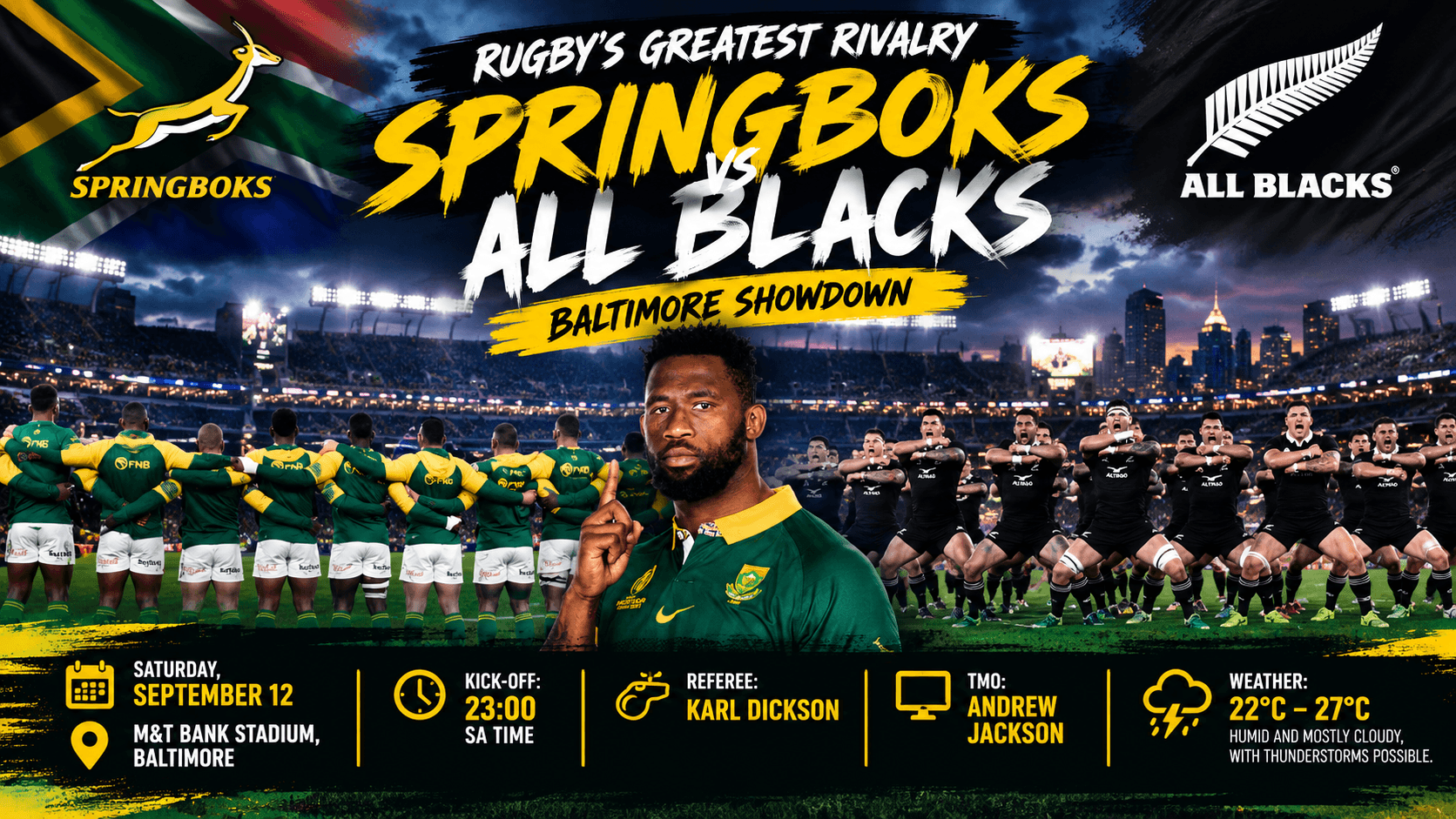
TheAll Blacks are desperate. The Springboksare hunting. Baltimore is the battleground.
There will be nowhere to hide when the Springboks and All Blacks slug it out in Baltimore on Saturday.
This is rugby stripped down to its studs: four games in a row, two wounded heavyweights, one series trophy and enough national pride to power a stadium.
The Boks lead. The All Blacks want to drag them into the gutter and level the series.
Siya Kolisi has seen this movie before. He knows the haka comes with teeth.
“We definitely want to win the series,” said the Springbok captain.
“We don’t want to draw it, and that has been our mindset this week.”
Translation: the Boks have no appetite for polite handshakes and participation medals.
They want the trophy.
They want the win.
And, above everything, they want South Africans to puff out their chests.
“We’ve all seen in the last three games that if you are not at your best, they have what it takes to punish you. But so do we, and we want to make sure we keep making our people proud.”
The stakes are already sky-high. Then rugby decided to throw another log on the fire.
Saturday marks Rassie Erasmus’ 100th Test match in his two Springbok roles as head coach and Director of Rugby.
For Kolisi, this four-Test marathon has felt less like a series and more like a succession of World Cup finals.
“In my experience, it doesn’t get tougher than this. It’s like playing four Rugby World Cup finals in as many weeks given the quality of both teams.”
That is not hype. That is a warning label.
The All Blacks have changed personnel and brought Richie Mo’unga back at flyhalf. Assistant coach Mzwandile Stick expected the move and reckons New Zealand could unleash an even more adventurous attack.
“Richie is world class and we know him well,” said Stick.
“I think the All Blacks are going to be even more bold tomorrow when it comes to keeping the ball alive and using the wide channels, and we know how dangerous they are.”
So expect the ball to fly, bodies to fly and somebody’s game plan to eventually crash into the advertising hoardings.
The Bok answer?
Bring the thunder.
“The most important aspect for us is to enforce our game on them physically and go from there,” Stick said.
That phrase, enforce our game, should make the All Blacks nervous.
Because the Boks are not arriving in Maryland to admire the scenery.
They are arriving to impose themselves.
Kolisi, meanwhile, has no intention of allowing outside noise to hijack the Bok blueprint.
“Our system isn’t rigid. We can play set-piece rugby and a kicking game. We don’t have a system that says we have to play a certain way. It’s one that creates opportunities for us to play.”
And Baltimore is already buzzing.
Stick says South Africans are everywhere, dressed in green and gold and travelling from across the United States to back their team.
“There are a lot of South Africans here and the vibe is great, so we are excited about the opportunity to promote rugby in the USA.”
Even Stick got a taste of American sporting culture, watching baseball and ticking an item off his bucket list.
His verdict on the pitchers?
“I thought (Kagiso) Rabada (Proteas bowler) was fast until I saw those pitchers.”
Now the Boks need to throw a few fastballs of their own.
Kick-off is 17h00 Baltimore time, 23h00 SA time, live on SuperSport.
“It’s two good teams who are facing each other again.
“It’s self-explanatory that if New Zealand win it’s a draw and if we’re victorious we’ll win the series.
“That’s what’s on the line, and that’s how we’re approaching this week.”
NO SAVEA, NO EXCUSES
New Zealand arrive wounded by the loss of powerhouse loose forward Ardie Savea.
Erasmus expects the All Blacks to reload rather than retreat.
“Ardie is a real influential player for them,” he said.
“You’ll probably never be able to replace a guy like Ardie Savea 100 percent, but players get older, they retire, and one day you have to replace them.”
The Boks know the danger. New Zealand have enough firepower to turn a match into a five-alarm fire within minutes.
And this time there is no Ellis Park fortress, no DHL Stadium cauldron and no Soweto roar.
“A neutral ground is still 70×100 metres with a good crowd.”
The M&T Bank Stadium can hold 70,745 spectators, creating the tantalising prospect of a green-and-gold invasion against a black-shirted army.
Damian de Allende wants America to witness the rivalry at its rawest.
“They should come out and watch the rivalry between the Springboks and New Zealand,” he said.
“The best way to sell it is to have them come to the stadium and enjoy the experience of watching the top two teams in the world.”
MO’UNGA RETURNS
New Zealand coach Dave Rennie has pulled another rabbit from the hat.
Richie Mo’unga makes his first Test start since the 2023 World Cup final, adding a world-class conductor to an All Blacks attack desperate to turn opportunities into points.
New Zealand made 12 linebreaks to South Africa’s five in Soweto, yet still walked away empty-handed.
Rennie wants that changed.
“We just need to be better.”
“The set-piece stuff will be very important.”
His revamped loose trio of Peter Lakai, Ethan Blackadder and Tupou Vaa’i will have the unenviable task of confronting a Bok pack built like a brick wall.
Codie Taylorreturns as captain, bringing experience after injuries robbed the All Blacks of Luke Jacobson and Savea.
“He gives us a lot of experience and leadership,” Rennie said.
The Boks have their own weapons.
Damian Willemse returns at fullback, offering aerial security and counterattacking electricity with Cheslin Kolbe unavailable.
Morne van den Berg’s explosive cameo in Soweto earned him the starting scrumhalf berth, while Jasper Wiese and Malcolm Marx remain central to the Boks’ collision-heavy blueprint.
Ethan Hooker will also be under the spotlight, with the aerial contest likely to become another battlefield.
Then there is the bench.
Cameron Hanekom. Manie Libbok. Deon Fourie.
South Africa have ammunition waiting for the final 20 minutes.
New Zealand have Wallace Sititi waiting in the shadows.
Rugby’s Greatest Rivalry has crossed the Atlantic.
Now Baltimore gets the bill.
And this time, there is no hiding place.
“One trophy. Two giants. Baltimore gets the final punch.”
Teams
South Africa: Damian Willemse; Kurt-Lee Arendse, Jesse Kriel, Damian de Allende, Ethan Hooker; Sacha Feinberg-Mngomezulu, Morne van den Berg; Jasper Wiese, Pieter-Steph du Toit, Siya Kolisi (captain); Ruan Nortje, Eben Etzebeth; Wilco Louw, Malcolm Marx, Ox Nche.
Replacements: Deon Fourie, Gerhard Steenekamp, Thomas du Toit, Lood de Jager, Andre Esterhuizen, Cameron Hanekom, Cobus Reinach, Manie Libbok.
New Zealand:Damian McKenzie; Will Jordan, Anton Lienert-Brown, Jordie Barrett, Josh Moorby; Richie Mo’unga, Cam Roigard; Peter Lakai, Ethan Blackadder, Tupou Vaa’i; Sam Darry, Patrick Tuipulotu; Fletcher Newell, Codie Taylor (captain), Ethan de Groot.
Saturday, September 12 | M&T Bank Stadium, Baltimore Kick-off: 23:00 SA Time Referee: Karl Dickson TMO: Andrew Jackson Expected conditions: 22°C-27°C, humid and mostly cloudy, with thunderstorms possible.
Damian de Allende says preparation remains the foundation of the Springboks’ defensive system as they prepare to face the All Blacks for a fourth consecutive weekend.
The experienced centre has spent much of his career operating in the most congested part of the rugby field, but says there is no preference when it comes to his defensive assignments.
“For me personally, I just defend what’s in front of me. That’s the way we get coached,” De Allende said.
“Sometimes I’ll have to defend the forward, and most of the time I’ll have to defend against the backs, but I really don’t mind it.”
De Allende has faced some of the world’s leading midfielders during his career, including Ma’a Nonu, Conrad Smith and Sonny Bill Williams, as well as South Africans such as Franz Steyn and André Esterhuizen.
His current assessment of Jordie Barrett is particularly telling.
“At the moment, the one guy that really does stand out for me is Jordie Barrett,” he said.
“I think his skill set is incredible. He’s got the ability to do everything on the field at the moment.”
The pair have gone head-to-head during the first three Tests of the series, giving De Allende an opportunity to study one of New Zealand’s most versatile players.
“It’s been a real pleasure,” he said.
“I’ve always liked to learn a lot on the field, especially playing against my opposition. I feel like I’ve learnt a lot from Jordie Barrett on the field and it’s been incredible to play against him.”
“For us on defence, it’s the preparation,” he said.
“And like Eben said earlier, it’s the work our coaches do in the background and they give to us. It’s from there the analysis.”
Jesse Kriel has also become an important figure in the defensive system.
“He’s one of our defence leaders, he’s the one that takes control over it a lot,” De Allende said.
“And the way he speaks about defence, the way he’s proud about it, he brings that across a lot and he gets all the players to buy into believing in what we’re doing is correct.”
There is still room for instinct once the match begins.
“Sometimes on the field it is instinct because there’s times on the field where we have to make split-second decisions,” he said.
“And sometimes you get it right and sometimes you get it wrong.”
But De Allende put a figure on the importance of preparation.
“I think 90% of the things go into preparation and what we plan for and what we expect to see from the All Blacks.”
The physical demands of the series have been significant, particularly in the midfield, where De Allende has battled New Zealand’s centres across three Tests.
He described the contest as one of the toughest of his career while acknowledging the quality of the opposition.
“Every Test match is tough. You play against world-class centres, no matter what country you play against.”
He also wished injured All Black Quinn Tupaea a speedy recovery.
De Allende believes experience has become another advantage for a Springbok squad containing several players with more than 100 Test caps.
“I think experience is quite important,” he said.
“There’s still a big sense of responsibility, not just individually but I think collectively, to make sure that we keep representing South Africa well and to the best of our ability.”
Age, he believes, has brought a greater appreciation of the work required to remain at Test level.
“I know we are getting a bit older but for me personally it feels like we’re working a lot harder than what we did when we were a bit younger.”
That work ethic, De Allende believes, explains why the experienced core remains capable of competing with the world’s best.
“I think that is why we’re still playing at such a high-class level, and I think that is still why we’re very competitive, and we can still compete with the best in the world.”
In Baltimore, the Springboks will need that preparation, experience and defensive discipline once again.
The All Blacks have already tested every seam in the green-and-gold wall. One final examination awaits.